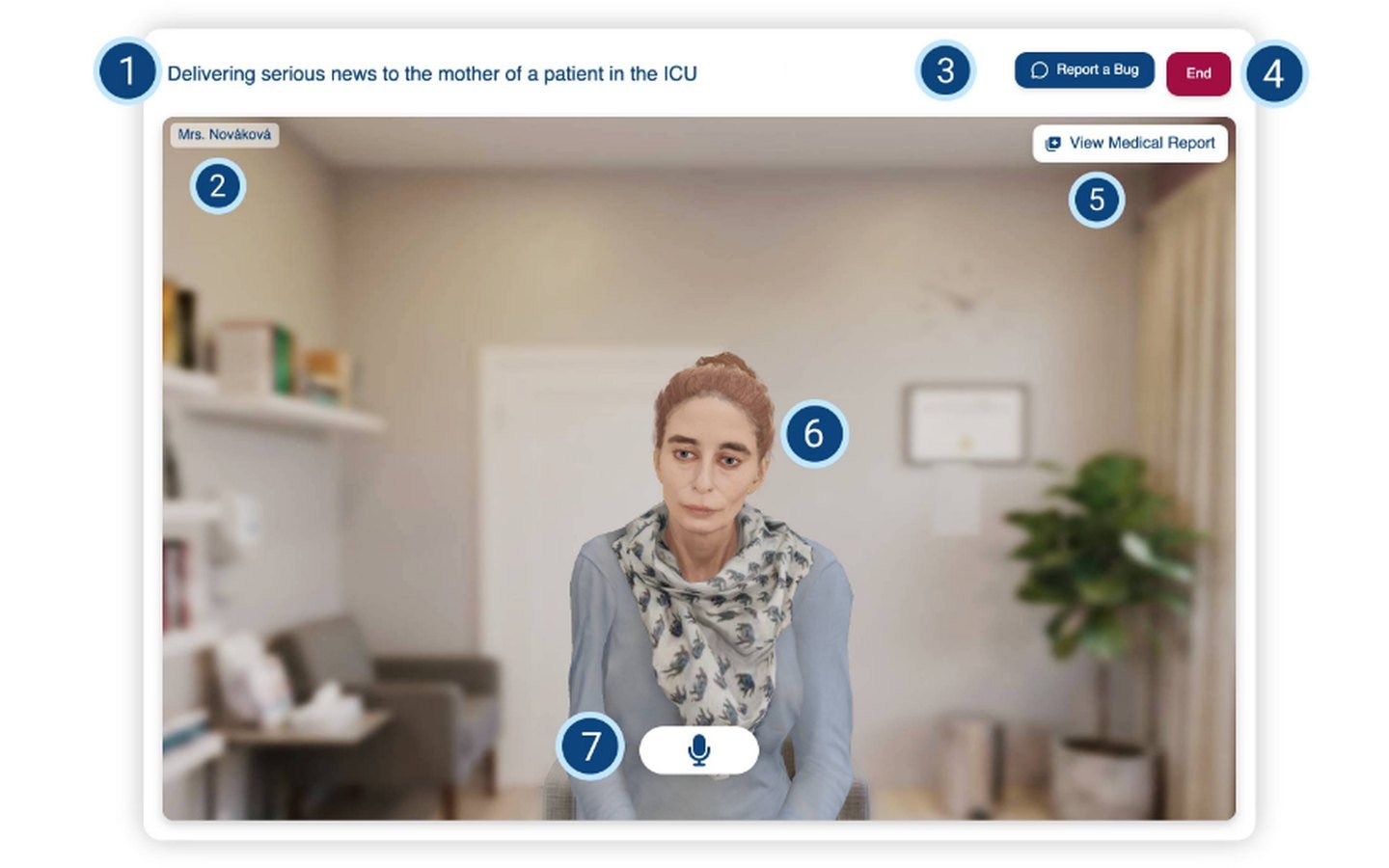
ICU Communication Course: AI Virtual Patients in Moodle
Product owner and sole developer of a bilingual Moodle course for ICU teams: AI-evaluated voice virtual patients, 14 custom plugins, Stripe storefront.

A personal AI study: a self-hosted Open WebUI setup where an autonomous, recursive agent researches a topic, creates images, lays it out as a magazine and emails it to my Kindle every three days, so the morning starts with reading instead of doomscrolling.
Like a lot of people, I used to start the morning by reaching for my phone and scrolling. I wanted to swap that habit for something calmer, so I tried to make a small morning magazine that is waiting on my Kindle instead.
The magazine is called Curious Works, with the subtitle “Problems, and how they were solved”. Each issue takes one interesting topic and tells it as a long-form story, with pictures, maps and a proper newspaper layout. Nobody writes it by hand. An AI agent running on my own setup researches it, puts it together and delivers it. A new issue comes out every three days.
 Issue No. 011 (13 October 2026), a Music & Sound issue with an illustrated cover
At a high level:
My first plan was to keep everything local, models included. That didn’t work out. Deep research means feeding the model a lot of material at once, and the local models I tried couldn’t handle a context window that large. So I moved the research step to DeepSeek, which can. It was a useful lesson for me: self-hosting the tools and the workflow is very doable, but for long research the context window decides which model you can actually use.
Issue No. 012 is an Evidence issue: “The Broad Street Pump Proved Nothing, and John Snow Knew It”. Under the title it says plainly that it was written by AI from published sources. I think that kind of honesty matters if you’re going to read AI-written text first thing in the morning.
 Issue No. 012 (Friday 16 October 2026): headline, standfirst, drop cap and the “Written by AI from published sources” line
Inside, the pages mix text with real photos and maps. The photos come with their credits and licences, for example Wikimedia Commons images under CC BY-SA, and the maps are generated for the story.
 A sourced photo with its caption and licence credit (Wikimedia Commons, CC BY-SA)
 A map generated for the John Snow story, with its own caption and source note
And this is where they end up: in the Kindle library, next to the regular books.
 Issues No. 011 and No. 012 sitting in the Kindle library between regular books
For me this is mainly an experiment in what an AI agent can do on its own, from start to finish, without me in the loop. It has to find a topic worth reading, research it deeply enough to tell a real story, make images, design the pages and get the result to a device. Every step is a small problem of its own, and the interesting part is seeing how well they hold together when nobody is watching.
It’s also a test of whether AI can make something you actually want to spend time with, rather than more content to scroll past. A quiet, finished magazine on an e-ink screen is about as far from a feed as I could think of.
A working, fully automatic pipeline that turns my self-hosted AI setup into a small morning magazine. New issues of Curious Works show up on my Kindle without me doing anything, and the idea is simple: start the morning with a story instead of a phone.
Product owner and sole developer of a bilingual Moodle course for ICU teams: AI-evaluated voice virtual patients, 14 custom plugins, Stripe storefront.
Programmed a Unity installation for 3DSense: depth-camera body tracking moves projected spheres, with an on-site tuning UI.
Prototype for a history exhibition on Prague's Old Town Square: can generative AI tell a historical story? I built the ComfyUI workflows that turn line drawings into animated period scenes, plus the camera previs.